
How to Prepare Furniture for International Shipping
- 4 May 2026
- 5 min read
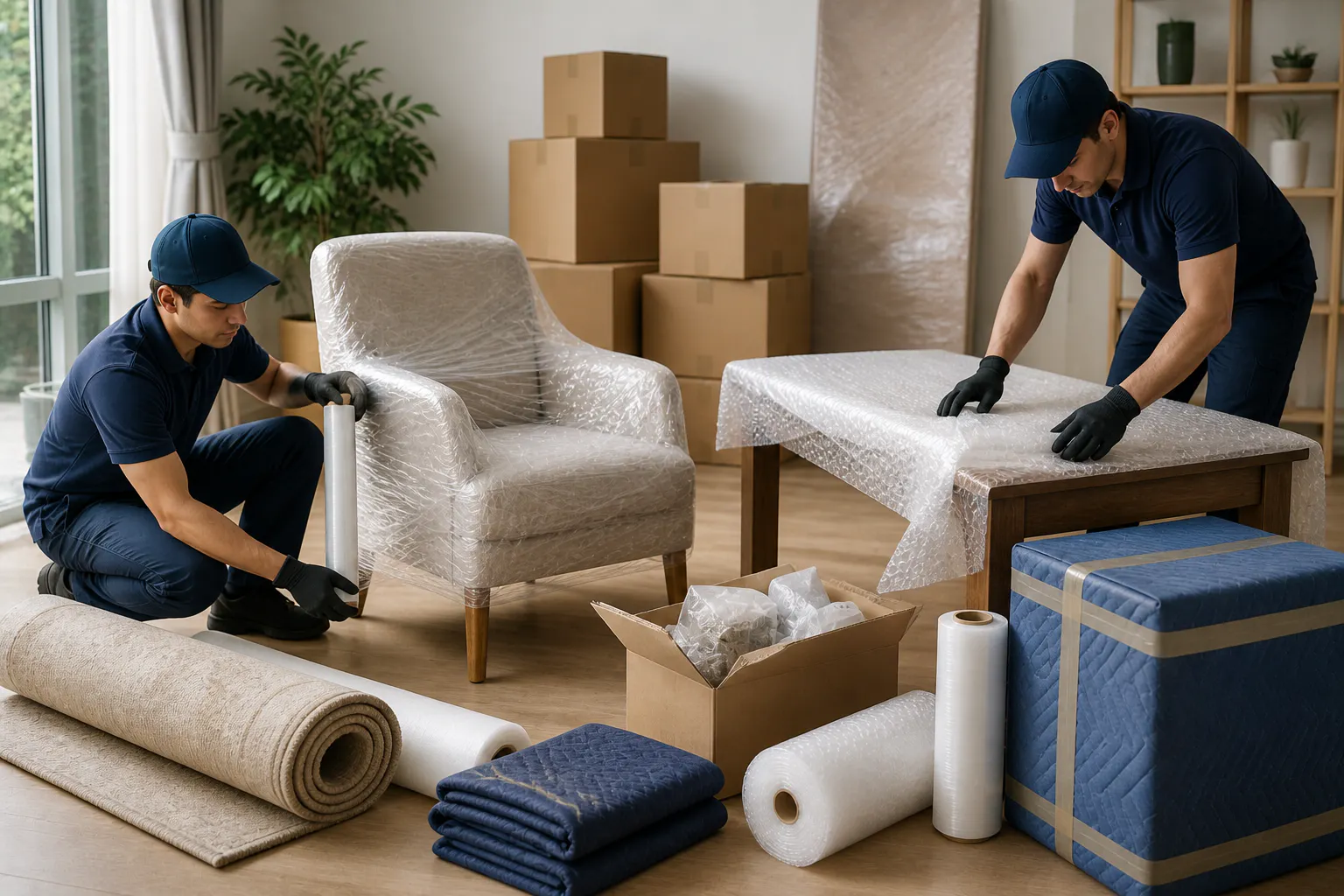
Moving furniture overseas isn’t just about packing items into boxes — it requires proper preparation to ensure everything arrives safely and in good condition. From large sofas to delicate wooden pieces, each item needs to be handled differently.
With the right approach, you can minimise damage, reduce costs, and make the entire moving process much smoother.
1. Decide What to Ship (and What Not To)
Before packing begins, take time to evaluate what’s worth bringing with you. Shipping costs are often based on volume, so large or low-value items may not always be practical to move.
Consider:
- The cost of shipping vs replacing the item
- Sentimental or high-value pieces
- Availability of similar furniture at your destination
Being selective early can help you control both cost and complexity.
2. Clean and Inspect Your Furniture
Furniture should always be cleaned before shipping, especially for international moves where customs regulations may apply.
Make sure to:
- Remove dust, dirt, and stains
- Check for existing damage
- Take photos for documentation
In countries like Australia, strict quarantine rules mean unclean items can lead to delays or additional charges.
3. Disassemble Large Items
Where possible, dismantle large furniture such as beds, tables, and wardrobes. This makes items easier to transport and reduces the risk of damage.
Benefits of disassembly include:
- Saving space (lower shipping cost)
- Easier handling and loading
- Reduced stress on joints and structures
Keep screws and small parts in labelled bags so reassembly is simple later.
4. Use Proper Packing Materials
Protecting your furniture properly is one of the most important steps in international shipping.
Common materials include:
- Bubble wrap for fragile areas
- Moving blankets for surfaces
- Cardboard or corner protectors for edges
- Stretch wrap to secure items
Different materials require different protection. For example, wooden surfaces are prone to scratches, while glass components need extra cushioning.
5. Avoid Common Packing Mistakes
Improper packing can lead to damage even during short transit periods.
Try to avoid:
- Using low-quality boxes or materials
- Leaving empty spaces where items can shift
- Stacking heavy items on fragile furniture
If you’re unsure, professional packing services can provide added protection and peace of mind.
6. Label and Organise Everything Clearly
Clear labelling helps ensure your furniture is handled correctly throughout the journey and makes unpacking easier at your destination.
Include:
- Destination details
- Room or category labels
- “Fragile” markings where necessary
Good organisation reduces confusion and speeds up the process on arrival.
7. Understand Transit Conditions
During international shipping, furniture may be exposed to temperature changes, humidity, and long transit times.
Materials like wood and leather can be affected by these conditions, so it’s important to:
- Use appropriate protective wrapping
- Avoid moisture exposure
- Discuss special requirements with your mover
8. Consider Insurance Coverage
Even with careful preparation, unexpected situations can occur during transit.
International moving insurance helps cover:
- Damage during transport
- Loss of items
- Unexpected incidents
Review your coverage carefully to ensure your belongings are properly protected.
Preparing furniture for international shipping is about more than packing — it’s about protecting your belongings throughout the entire journey.
With proper planning and the right materials, you can reduce risk, avoid unnecessary costs, and ensure everything arrives safely at your new home.